Zero-Down Loan
Pros: you own the system, keep available rebates and net-metering credits, and avoid an upfront cash outlay.
Cautions: interest adds to lifetime cost, and you remain responsible for maintenance.
Sponsored Content
Paid promotional content — the publisher may earn commissions from featured providers without influencing factual accuracy.
Sponsored Editorial · Home Energy
Interest in solar panel savings in Canada has never been higher. As federal carbon pricing pushes traditional electricity bills upward, homeowners from Ontario to British Columbia are taking a closer look at rooftop power, government rebates and net metering to understand what the switch could realistically mean for their household budgets.
Find Certified Installers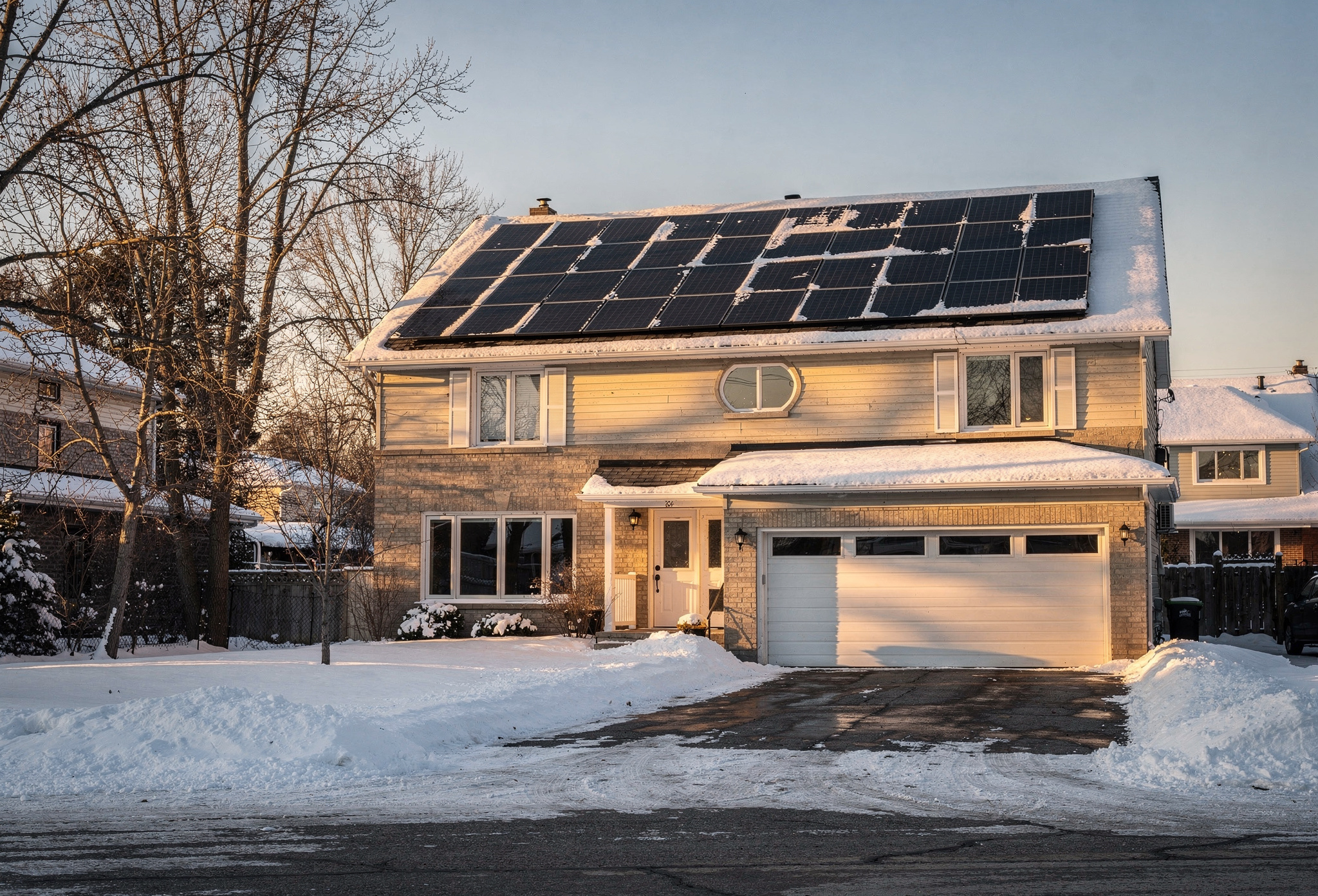
In 2026, residential solar adoption across Canada reached record levels, and the reasons are less about environmental idealism than household arithmetic. With electricity prices climbing in most provinces, a growing number of homeowners now treat rooftop panels as a long-term hedge rather than a luxury upgrade, reshaping the way families plan their monthly budgets.
What changed is the math. Rising utility rates, expanding government rebates and clearer net-metering rules have shifted the conversation from whether solar makes sense to when. This sponsored guide walks through the real economics, drawing on government-sourced data so you can weigh the decision before requesting installer quotes.
"Carbon pricing has quietly rewritten the math on home energy, and Canadian households are starting to notice."
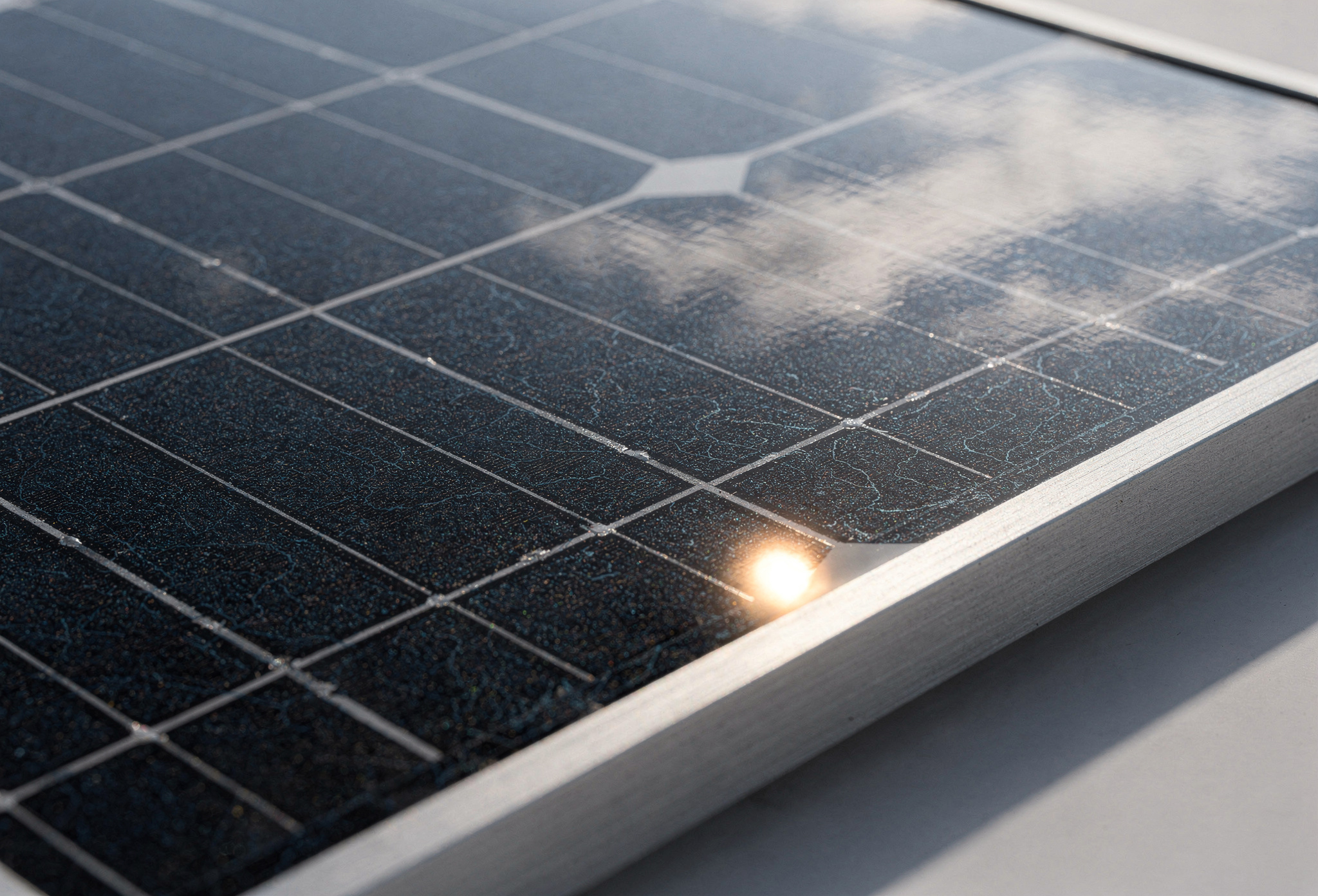
A central driver is federal carbon pricing. Under Canada's published carbon-pricing schedule, the fuel charge has risen steadily and is set to continue climbing toward the end of the decade, gradually increasing the cost of natural gas and other fossil fuels used to generate and heat power across much of the country.
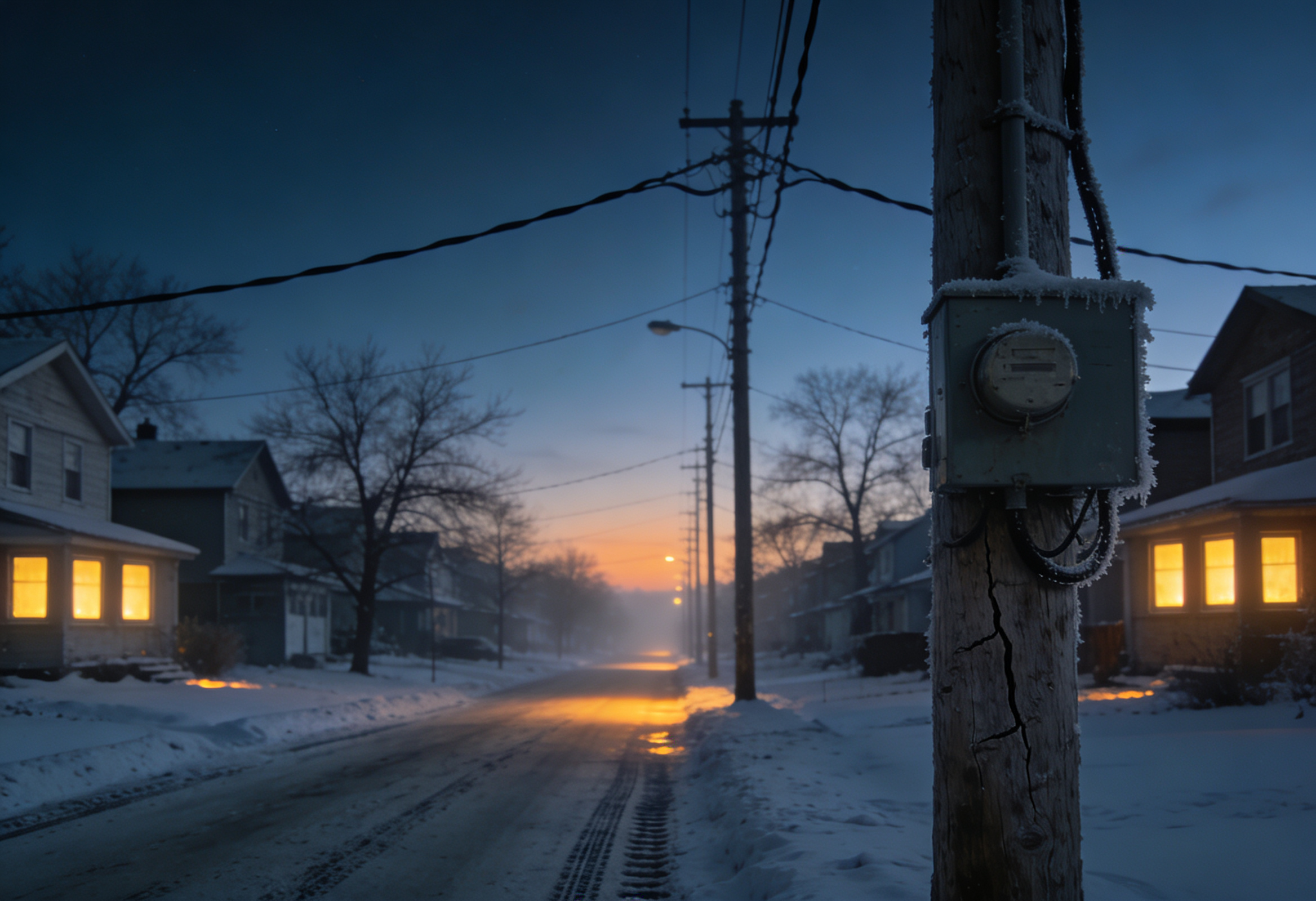
Those upstream costs filter down to household bills. Many provincial utilities have filed for rate increases in recent years, citing fuel costs, grid upgrades and inflation, so the all-in price a family pays per kilowatt-hour has trended upward even where the headline rate looks stable.
For homeowners, the practical effect is simple: electricity drawn from the grid is becoming more expensive over time, which improves the relative value of power generated on your own roof. How much you save depends heavily on your province, utility and consumption pattern.
The quotes below are excerpts from interviews with Ontario homeowners who installed rooftop solar. They reflect individual experiences only; savings and outcomes vary by household, system size and location.
"We saw the bills climbing year after year, and the Greener Homes loan made it a viable option for our family. The first winter surprised us with how much the panels still produced."
"I wanted to understand net metering before committing. Seeing surplus credits show up on my account made the whole system feel a lot less abstract than I expected."
"For us it was partly about emissions and partly about predictability. Locking in part of our energy costs felt like the responsible long-term choice, though results clearly differ home to home."
Incentives differ widely across the country and change over time. The overview below highlights commonly referenced programs, including the federal Canada Greener Homes initiative and provincial net-metering rules.
| Province | Program | Estimated Benefit (Results Vary) | Notes |
|---|---|---|---|
| Ontario | Canada Greener Homes Loan + Net Metering (Hydro One & local utilities) | Interest-free loan up to an estimated $40,000 | Surplus generation credited via net metering; eligibility and terms vary |
| British Columbia | Net Metering (BC Hydro) + CleanBC offers | Bill credits for surplus energy; rebate amounts vary | Provincial offers subject to change and funding availability |
| Alberta | Micro-generation Net Metering + financing options | Credits at the applicable retail/variable rate | No standing provincial solar rebate at time of writing; municipal programs may apply |
| Nova Scotia | Provincial solar rebate + Greener Homes Loan | Per-watt rebate estimate plus loan access | Dependent on program funding and ongoing availability |
All figures are estimates that vary by eligibility, system size, utility and program availability. Programs may change or close without notice; confirm current details with the relevant federal or provincial authority before making decisions.
Net metering is the mechanism that turns a rooftop array into a two-way relationship with the grid. In three steps, here is how surplus power is exported and credited back through utilities such as Hydro One and BC Hydro.
Your panels produce direct current, an inverter converts it to household alternating current, and your home draws what it needs in real time before anything else happens.
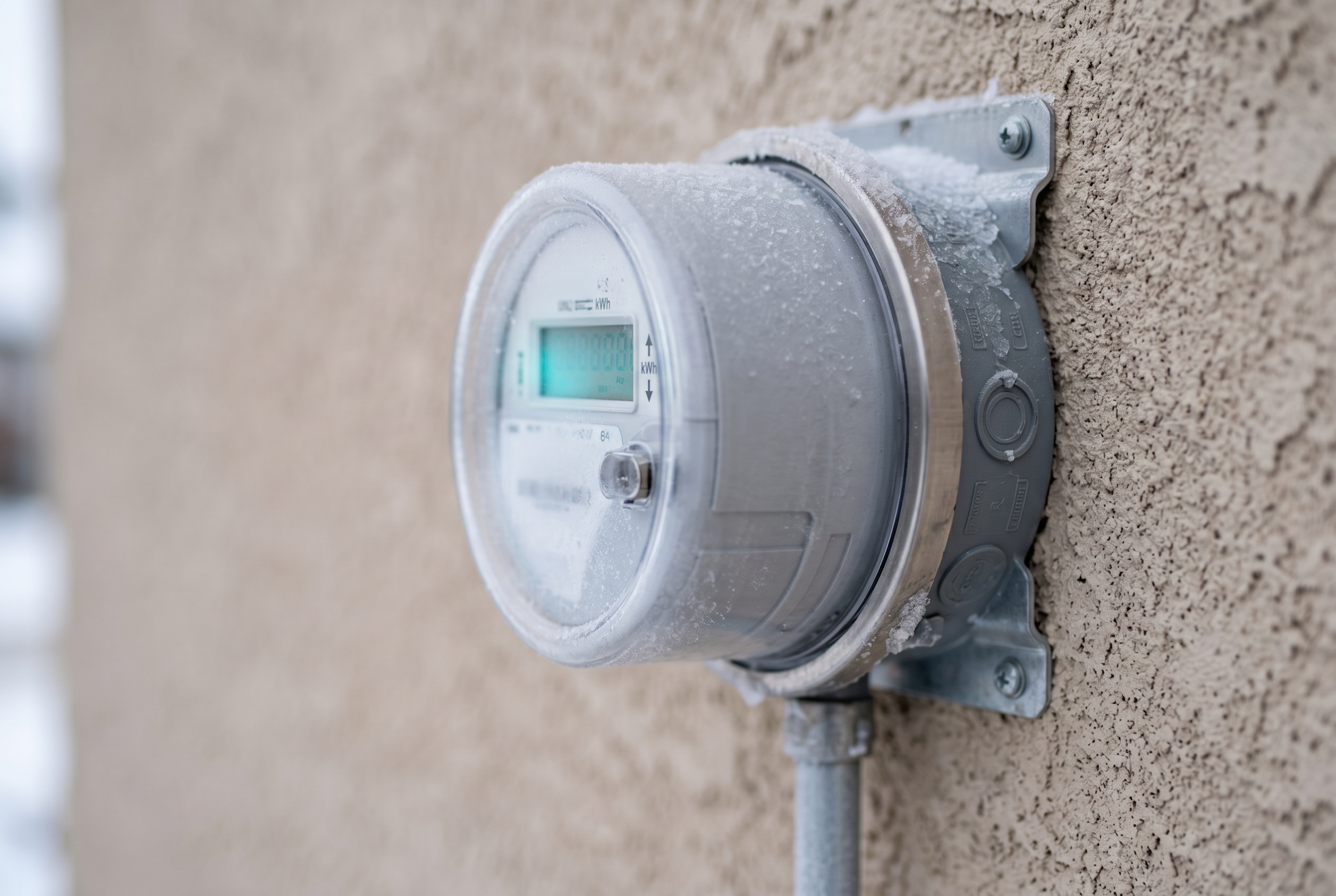
When production exceeds what you are using, the extra electricity flows back through a bidirectional meter to the grid operated by your utility, such as Hydro One or BC Hydro.
The utility records each exported kilowatt-hour as a credit on your account, helping to offset the power you draw from the grid at night or during darker winter months.
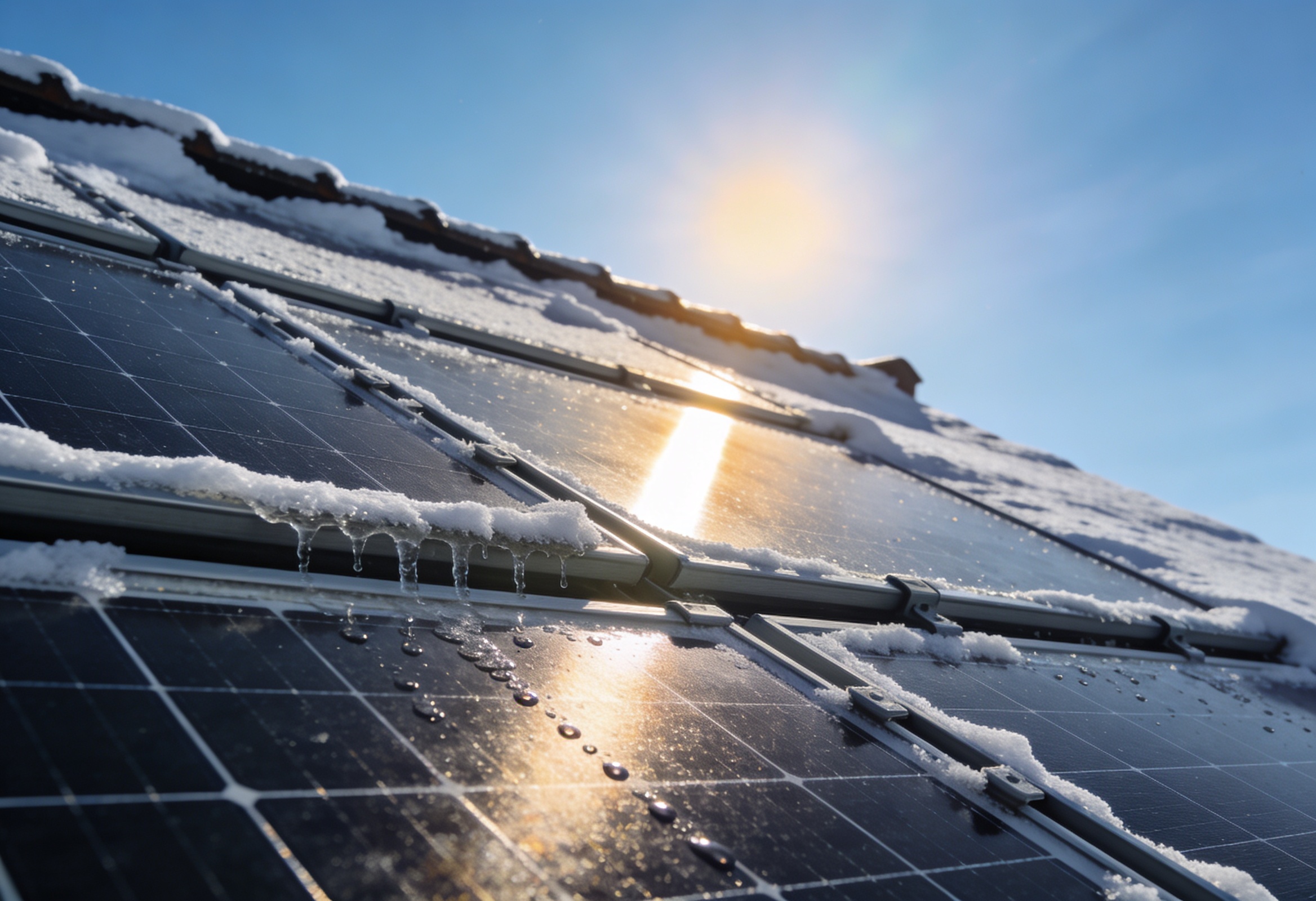
Cold-weather worries are the most common reason Canadians hesitate. Here are four persistent myths set against the evidence, drawing on Natural Resources Canada data.
Fact: solar cells often run more efficiently in cold, clear conditions. Production continues through winter; the main limit is shorter daylight hours, not the temperature.
Fact: tilted, dark panels shed and melt light snow quickly. Brief cover reduces output for a short time but has a limited effect on annual generation.
Fact: many populated Canadian regions receive solar resource comparable to parts of Germany, one of the world's leading solar markets.
Fact: under net metering, credits banked during high-production months can help offset the lower output of the coldest, darkest weeks.
A bar chart showing relative solar output by month: lowest in December and January, rising through spring, peaking in June and July, then declining toward winter.
Source: Natural Resources Canada (NRCan) photovoltaic potential data. Monthly output is illustrative; actual production is an estimate that varies by location, roof tilt, orientation and weather.
From the first roof inspection to the moment the system is switched on, a typical residential installation moves through four clear stages.
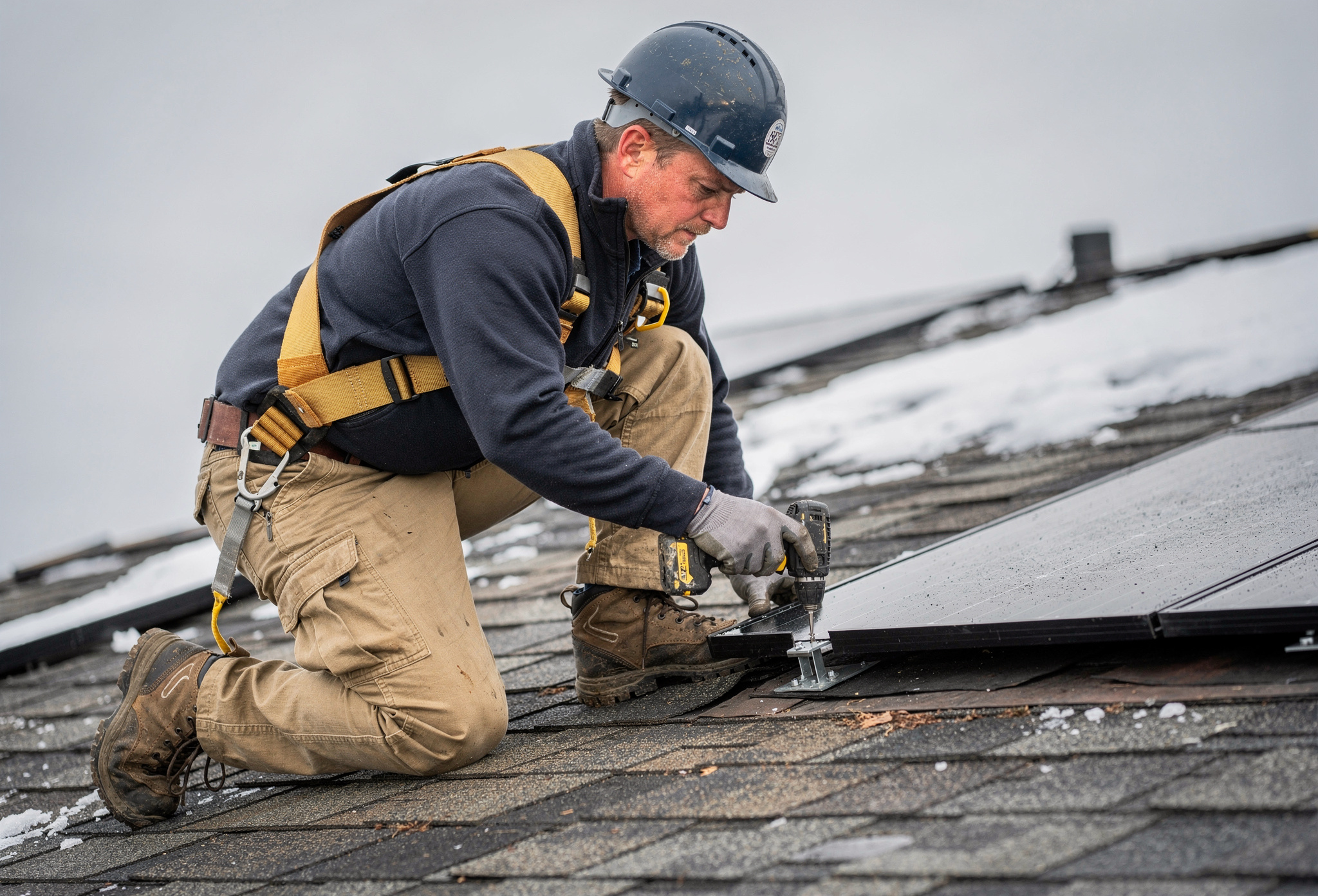
A certified installer evaluates your roof's condition, orientation, shading and structural suitability for an array.
The system is sized, engineering drawings are prepared, and building permits and the utility interconnection application are filed.
Mounting rails, panels, the inverter and wiring are installed, usually over one to three days depending on system size.
The utility inspects and approves the work, the bidirectional meter is activated, and the system is commissioned for use.
There is no single right way to pay for solar. The three paths below suit different budgets and priorities; the best fit depends on your circumstances.
Pros: you own the system, keep available rebates and net-metering credits, and avoid an upfront cash outlay.
Cautions: interest adds to lifetime cost, and you remain responsible for maintenance.
Pros: little or no money down and the provider typically handles maintenance and monitoring.
Cautions: you do not own the system, estimated savings can be smaller, and transfer terms matter if you sell the home.
Pros: the lowest lifetime cost and full ownership of any savings and incentives.
Cautions: the largest upfront outlay and a longer estimated period before the cost is recovered.

Before signing a contract, ask every prospective installer these six questions. The guidance under each item explains what a confident, credible answer looks like.
Look for recognised credentials such as NABCEP or a provincial equivalent, plus valid licensing and liability insurance.
Clarify the separate warranties for panels, inverter and workmanship, and how long each one lasts.
Ask which panel and inverter manufacturers they fit, and why those products are recommended for your roof.
Request realistic dates for permitting, installation and the final grid connection, not just the install day.
Confirm who files the Canada Greener Homes and utility interconnection applications on your behalf.
Ask about production monitoring, ongoing maintenance, and who to contact if output ever drops unexpectedly.
Common questions from Canadian homeowners weighing rooftop solar. Answers are general guidance; specifics vary by product, installer and location.
Most residential panels carry performance warranties of around 25 years and frequently continue generating at a gradually reduced output well beyond that. Actual lifespan is an estimate that varies by product quality, climate and installation.
Yes. Tilted, dark panels shed light snow and can run efficiently in cold, clear weather. Winter output is lower mainly because of shorter daylight hours rather than the cold itself, and the exact figures vary by location and roof angle.
Maintenance is generally minimal: occasional visual checks and keeping panels reasonably clear of heavy debris. Most modern systems include monitoring that flags any drop in performance so issues can be addressed early.
Expect separate warranties for the panels, the inverter and the installation workmanship, each with its own duration and terms. Always confirm exactly what is covered, and for how long, in writing before signing.
For safety, a standard grid-tied system automatically shuts off during a grid outage and will not power your home on its own. Backup power during an outage requires adding compatible battery storage and the appropriate equipment.
Eligibility for programs such as the Canada Greener Homes initiative is confirmed through the relevant federal or provincial application process, which can involve a home assessment and supporting documentation. Criteria differ between programs and may change over time.
This article is paid promotional content. Canada Power Insider may earn commissions from the providers featured on this page. These commercial relationships do not influence the factual accuracy of the information presented; our editorial coverage is reported independently.
All savings figures, cost ranges and payback periods referenced here are estimates only. They vary significantly by location, province, utility, roof characteristics, system size, financing choice and individual circumstances. Nothing on this page should be read as a promise of any specific outcome.
No specific returns, savings or financial results are guaranteed. This content is provided for general information and does not constitute financial, legal or tax advice. Before making any decision, confirm current program details with the relevant federal or provincial authority and obtain written quotes from certified installers.
Share a few details and we will help connect you with certified solar installers in your area for no-obligation quotes. Every figure discussed remains an estimate that varies by your circumstances.